
Cold Weather Wound Care: What Every Barn Owner Should Know
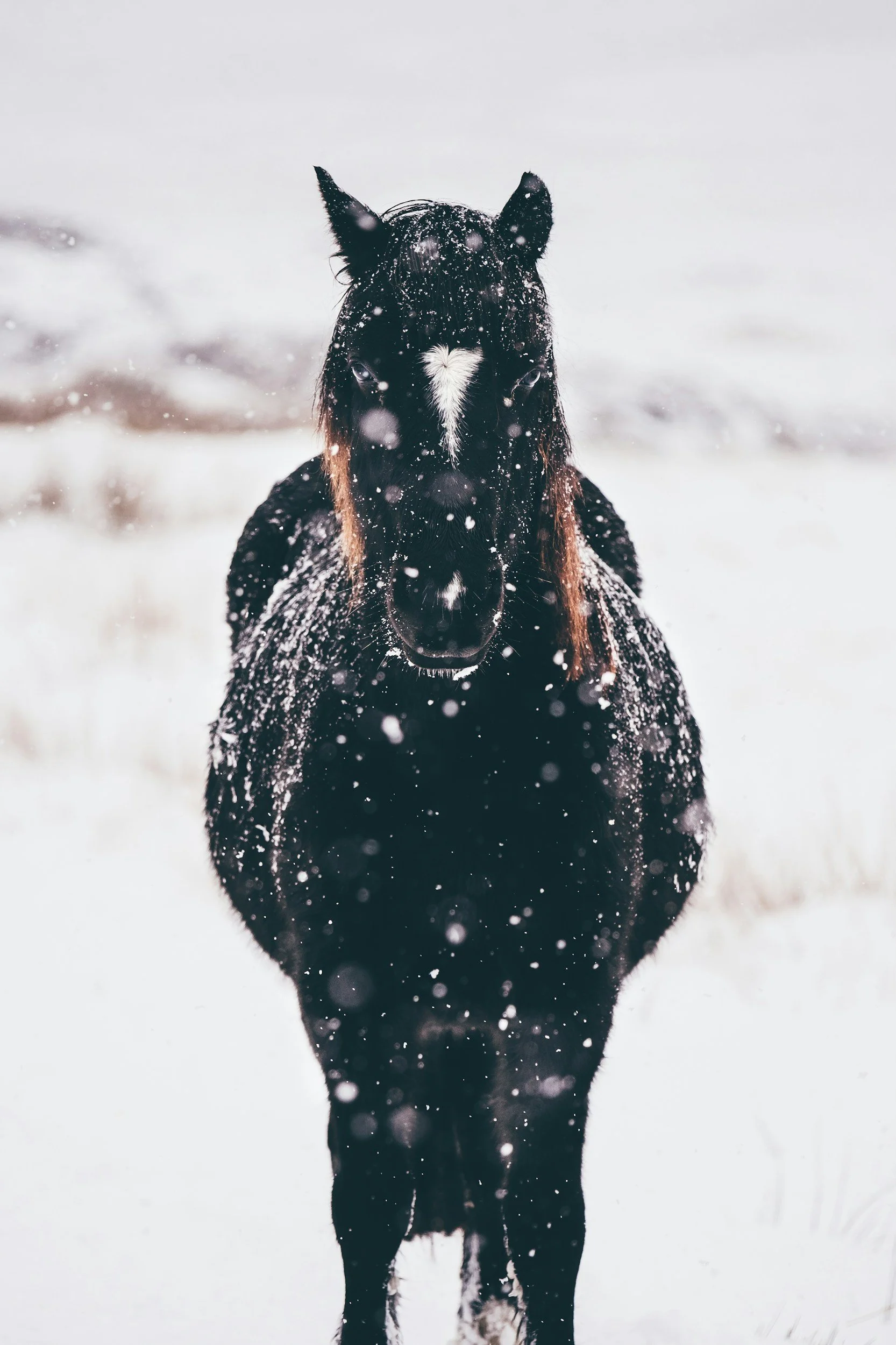
Winter doesn’t just bring lower temperatures — it brings changes in circulation, drying time and environmental stress that can slow wound healing in horses. As a barn owner or manager, understanding how cold weather affects wounds and what you can do to counter it will help your horses recover more reliably and make your job easier. Here’s what to watch for — and the gear you’ll want on hand.
Guide to Caring for Horses with Thrush
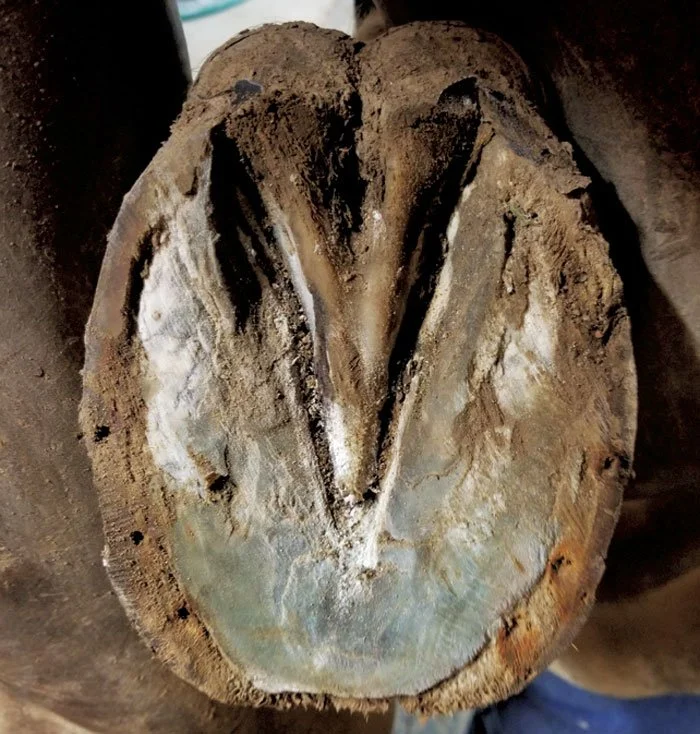
Thrush is a preventable and manageable condition with proper hoof care and hygiene. Early detection and consistent treatment are key to avoiding more serious infections or complications. With regular farrier visits and a clean environment, your horse’s hooves can stay healthy year-round.

Caring for Horses with Scratches (Pastern Dermatitis)
Scratches is a manageable but potentially stubborn skin condition. Early intervention, diligent hygiene, and environmental control are key. With the help of your veterinarian, you can minimize discomfort and promote fast healing.

Guide to Summer Skin Fungus
Summer skin fungus can be frustrating but is highly treatable with prompt, diligent care. Cleanliness, dryness, and consistent treatment are key. Early intervention can prevent spread to other horses and help your horse stay comfortable and healthy throughout the hot season.

Guide to Summer Sores
Summer sores are a frustrating yet preventable condition. Early treatment, aggressive fly control, and good wound hygiene are key to minimizing discomfort and ensuring a swift recovery. Partner with your veterinarian for tailored care and prevention strategies.

Heal Shield’s Guide to Wound Care
Timely and proper care of cuts and scrapes can prevent complications and speed recovery. Always maintain a well-stocked equine first aid kit and consult your veterinarian when in doubt. Even minor wounds can escalate if not handled correctly.
